
We exist to tell the stories of Earth’s most extraordinary plants. From the sacred and the magical to the weirdest, dangerous—and most beautiful. The plants which shaped human history. And those we’ll take with us as we leave our home planet and colonize other worlds.
These plants can amaze, excite, and bewilder us. They are the birthright of everyone alive today, and everyone who will ever live. Their stories, and the stories of their relationships with humans and other animals, challenge our idea of our place in the world.
We work to awaken the latent love for the natural world that lies within each of us.
For it is this love that leads to the action that will save Earth’s wild places, and all the species—including humanity—which depend on them.
For it is this love that leads to the action that will save Earth’s wild places, and all the species—including humanity—which depend on them.

Tools
We’re developing tools to support people protecting biodiversity around the world.


Publishing
We're telling the stories of Earth's most extraordinary plants.
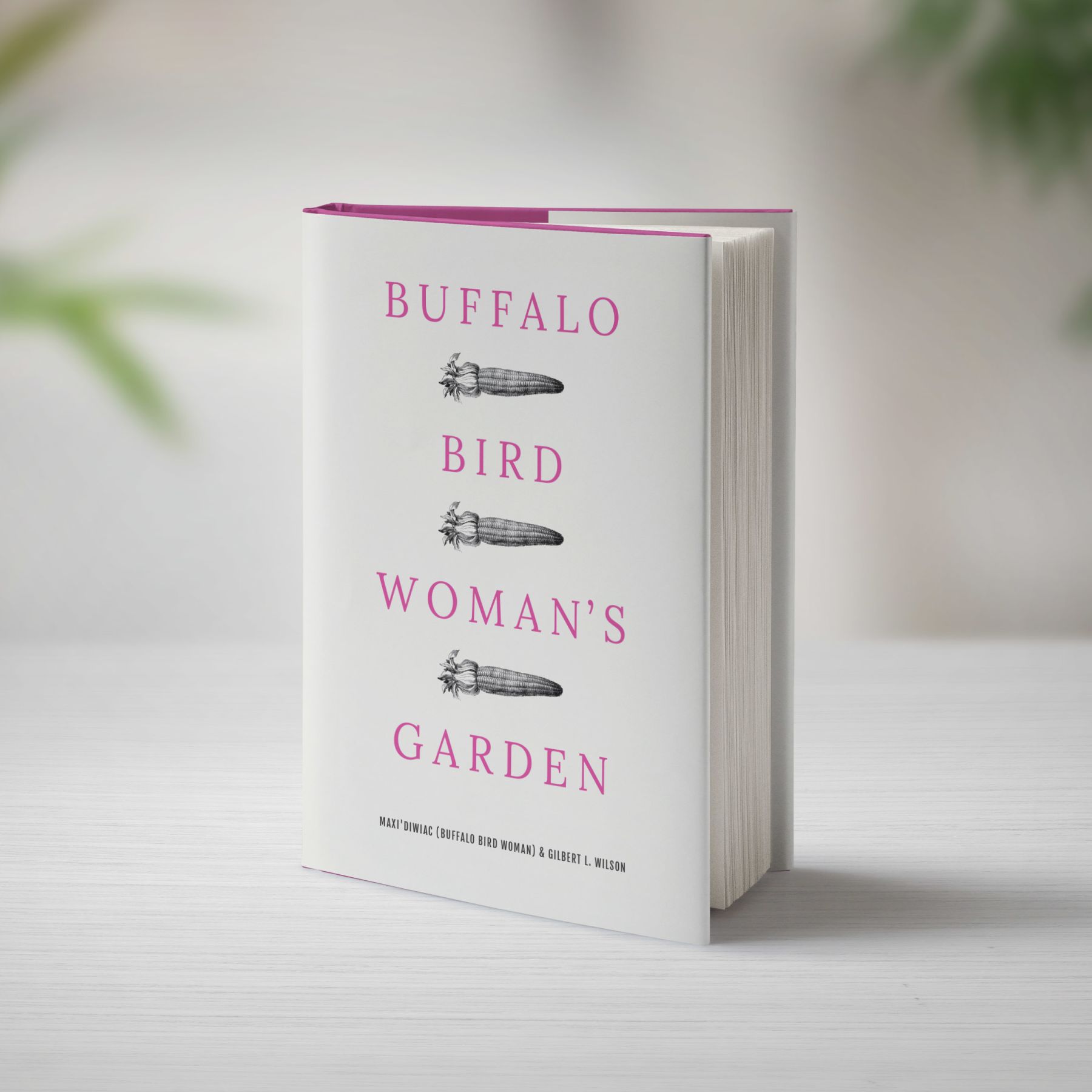
Buffalo Bird Woman's Garden
Buffalo Bird Woman was a Hidatsa Indian born about 1839. An expert gardener, she raised huge crops of corn, squash, beans, and sunflowers in the Missouri River valley.
In 2020, the Foundation is republishing Buffalo Bird Woman's Garden, the relevant and highly readable recounting of her gardening techniques as told to anthropologist Gilbert L. Wilson, as a free ebook.
In 2020, the Foundation is republishing Buffalo Bird Woman's Garden, the relevant and highly readable recounting of her gardening techniques as told to anthropologist Gilbert L. Wilson, as a free ebook.
Policy plan 2019-2021
We're just getting started: here's the roadmap.
The Foundation for Extraordinary Plants is a not-for-profit institution based in Amsterdam. Its legal structure is a Dutch Stichting: it is established for the public good and is owned by no-one. It is applying for ANBI status, designating the foundation as a public benefit institution, or charity, recognized by the Dutch tax inspectorate.
The foundation will produce a policy plan every three years, and in addition summary annual policy plans. The current three year policy plan will be updated as necessary each time an annual plan is published so this becomes a living, up-to-date document.
While it remains current, this policy plan will also be revised with up-to-date information on employees, trustees and advisory board members.
The foundation will produce a policy plan every three years, and in addition summary annual policy plans. The current three year policy plan will be updated as necessary each time an annual plan is published so this becomes a living, up-to-date document.
While it remains current, this policy plan will also be revised with up-to-date information on employees, trustees and advisory board members.
Administration
KvK no.
73214604
RSIN no.
859403506
Address
The Foundation for Extraordinary Plants
73214604
RSIN no.
859403506
Address
The Foundation for Extraordinary Plants
Keizersgracht 241
1016EA Amsterdam
1016EA Amsterdam
Phone
+31 20 225 1800
+31 20 225 1800
BIC: BUNQNL2AXXX
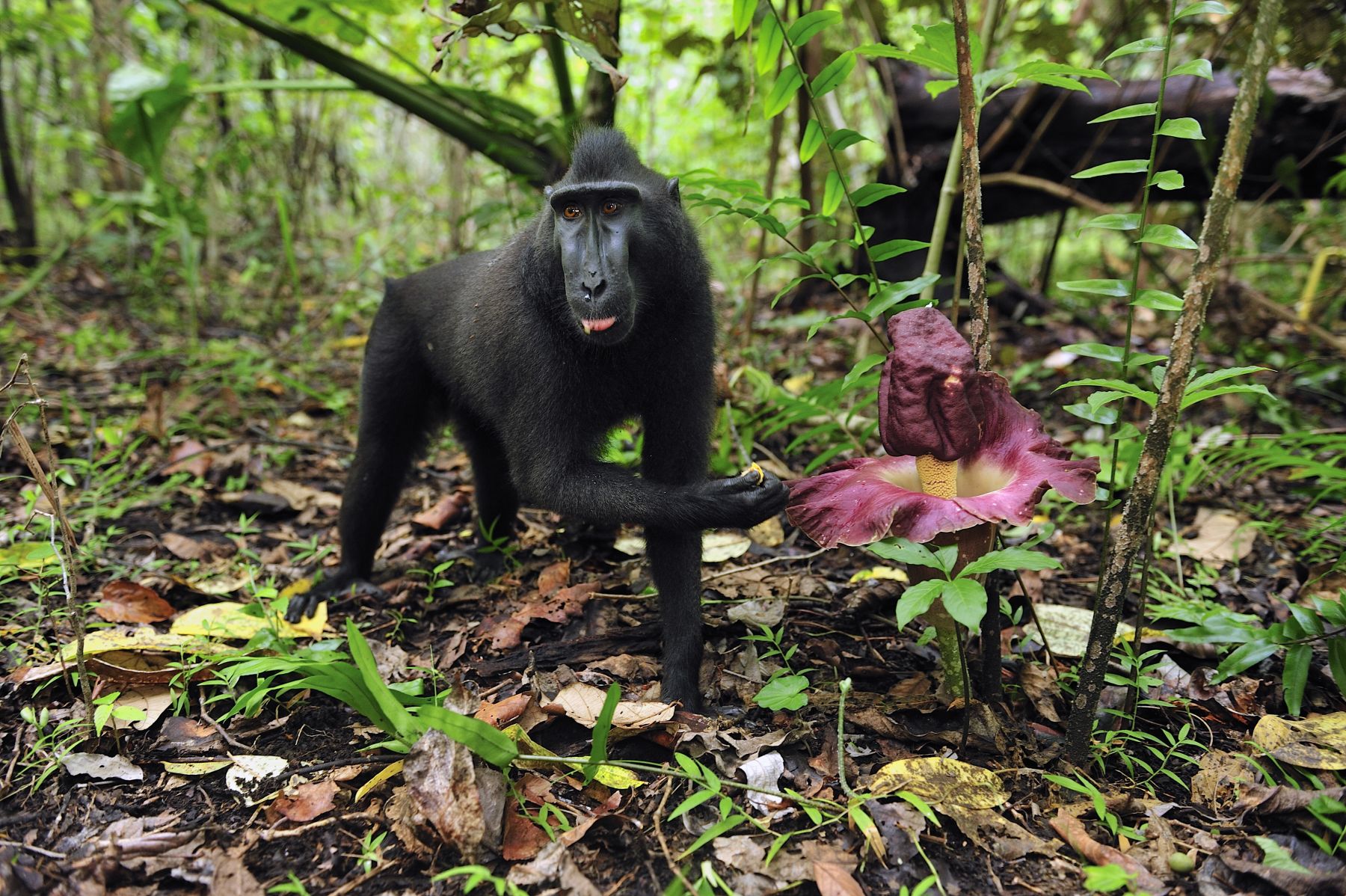
The elephant foot yam (Amorphophallus paeoniifolius) is an important food source for millions of people across Asia, and can produce more tons of tubers per hectare than potatoes.
© Thomas Marent/Minden Pictures
Activities
The foundation was formed in late 2018. Its charitable objective is to educate people about the natural world.
Most ecosystems on Earth, and the plant species that underpin them, are in dramatic and unparalleled decline. Plants are the basis of all life on Earth, and yet they are little understood and are underappreciated by the wider public. This syndrome has a name: plant blindness.
The foundation believes that the publication of media that inform, educate and entertain holds the cure for plant blindness. It wants to awaken the latent love for the natural world that lies within each of us. This is the prerequisite for action that will save Earth’s wild places, and all the species—including humanity—which depend on them.
The foundation focuses on the world’s most extraordinary plants: those that have shaped human history, the sacred and magical, the dangerous and most beautiful, and some of the downright weirdest. And those we’ll take with us as we leave our home planet and colonize other worlds.
These plants can amaze, excite, amuse and bewilder. In different ways, they affect everyone alive today, and everyone who will ever live. Their stories, and the stories of their relationships with humans and other animals, can challenge our idea of our place in the world. They hold power.
Specifically, the foundation will:
Most ecosystems on Earth, and the plant species that underpin them, are in dramatic and unparalleled decline. Plants are the basis of all life on Earth, and yet they are little understood and are underappreciated by the wider public. This syndrome has a name: plant blindness.
The foundation believes that the publication of media that inform, educate and entertain holds the cure for plant blindness. It wants to awaken the latent love for the natural world that lies within each of us. This is the prerequisite for action that will save Earth’s wild places, and all the species—including humanity—which depend on them.
The foundation focuses on the world’s most extraordinary plants: those that have shaped human history, the sacred and magical, the dangerous and most beautiful, and some of the downright weirdest. And those we’ll take with us as we leave our home planet and colonize other worlds.
These plants can amaze, excite, amuse and bewilder. In different ways, they affect everyone alive today, and everyone who will ever live. Their stories, and the stories of their relationships with humans and other animals, can challenge our idea of our place in the world. They hold power.
Specifically, the foundation will:
- Produce online publications featuring articles, photography, film and interactive media to educate the public about the natural world, and in particular Earth’s most extraordinary plants, and promote projects that seek to conserve them;
- Develop digital tools to support others working for the conservation of, and education about, biodiversity. For example, structured databases of biological data and information for use by organizations such as museums, zoos and botanical gardens;
- Encourage the horticulture and cultivation of threatened plants, to aid their conservation, through online publishing and traditional media and by making these plants available to grow by the wider public through its commercial subsidiaries;
- In the longer term (beyond the horizon of the current three year policy plan), build a next-generation botanical garden and visitor center to provide a deeper, richer, world-class experience of the botanical world to hundreds of thousands of visitors, and in particular children and young people, in line with its charitable objectives.
The foundation is not primarily a grant-making organization. It or its subsidiary companies may however, with the explicit approval of the board of trustees, choose to provide assistance (financial or in-kind) to bona fide conservation organizations where this furthers its charitable objectives.
Values
These values and commitments relate both to the foundation and to all its subsidiary companies.
Environmental impact
The foundation seeks to minimize its impact on the natural world, in particular through energy consumption and the use of non-renewable natural resources.
Conservation of biodiversity
The foundation will actively promote the maintenance—and even increase—of biological diversity at local, national and global levels. In particular, it commits not to conduct or promote activities that imperil wild plant populations.
Access to biodiversity
The foundation believes that access to, and sustainable use of, biological diversity is the birthright of all humanity. It will support and promote such access. The foundation will not conduct research or development on plant genetic resources in the context of the Nagoya Protocol (on Access to Genetic Resources and the Fair and Equitable Sharing of Benefits Arising from their Utilization to the Convention on Biological Diversity) without prior written approval from the board of trustees. No such approval is currently in effect. Similarly, the foundation will not distribute, or allow to be distributed, plant material encumbered by extra-legislative agreements or obligations without prior written approval from the board of trustees. Again, no such approval is currently in effect
Human rights
The foundation commits to respecting and promoting fundamental human rights in all its dealings, including the rights of indigenous peoples to full prior informed consent over activities that affect them and their lands. It further commits to make all reasonable efforts to ensure that conservation projects it supports or promotes respect these rights.
Diversity and inclusion
The foundation intends to have impacts worldwide, and seeks the inclusion in its activities of everybody who shares its values regardless of race, gender, sexuality or social class. It commits to avoid such discrimination in its dealings with current and prospective employees, advisers, trustees and with its supporters.
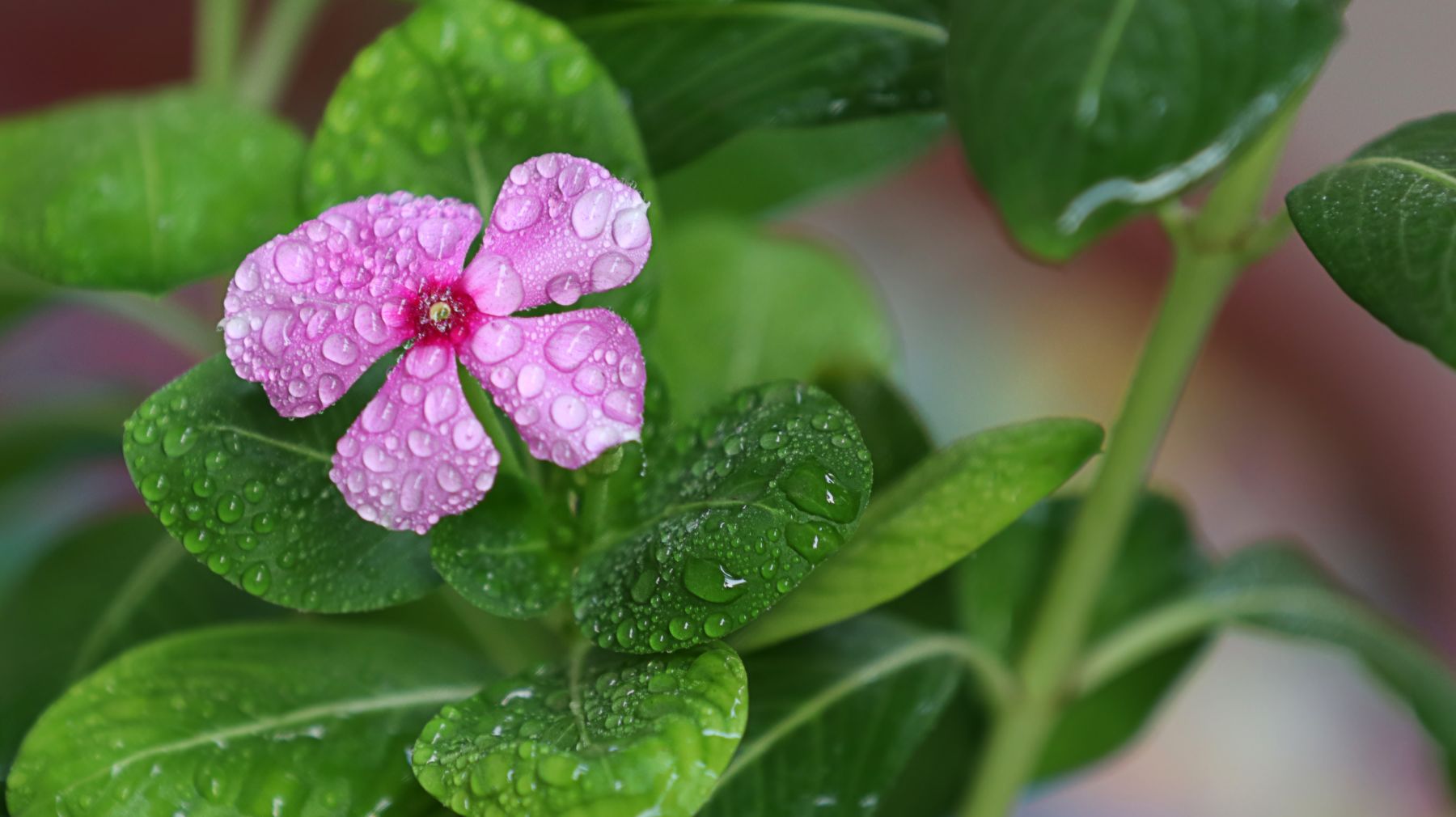
The Madagascar periwinkle (Catharanthus roseus) is a source of vital drugs to cure childhood cancers. It takes half a ton of leaves to produce one gram of Vincristine, but the survival rate for these cancers now approaches 90%. Researchers can now produce the compounds artificially, but without studying the plant the drugs would never have been developed.
Funding
The foundation will raise money to support its charitable activities principally through:
i) Donations from the general public, trusts and foundations;
ii) Dividends from its subsidiary holding company, Extraordinary Plants B.V.
The foundation will not conduct any significant commercial activities itself, and any commercial activities will be conducted by daughter companies owned in whole or part by the holding company.
Donations, both financial and in-kind, from commercial organizations will only be accepted when there is no reasonable prospect of a conflict between the donor’s activities and the values of the foundation, particularly in regards to the conservation of biodiversity and the promotion of human rights.
Similarly, commercial activities undertaken by daughter companies of the subsidiary holding company will always uphold the values of the foundation. Any daughter companies partly or wholly owned by the subsidiary holding company will be based in the EU, the United Kingdom or the USA. Commercial activities undertaken by any daughter companies may not include financial services or dealing in, or holding on behalf of any third party, digital currencies and must be legal under Dutch law regardless of the daughter company’s residency.
No donations will be accepted where the donor requires editorial control over significant aspects of the foundation’s publishing output or any part of its policy plan as a condition of making the donation. (Donors may, however, require approval of use of their name or trademarks, for example.)
i) Donations from the general public, trusts and foundations;
ii) Dividends from its subsidiary holding company, Extraordinary Plants B.V.
The foundation will not conduct any significant commercial activities itself, and any commercial activities will be conducted by daughter companies owned in whole or part by the holding company.
Donations, both financial and in-kind, from commercial organizations will only be accepted when there is no reasonable prospect of a conflict between the donor’s activities and the values of the foundation, particularly in regards to the conservation of biodiversity and the promotion of human rights.
Similarly, commercial activities undertaken by daughter companies of the subsidiary holding company will always uphold the values of the foundation. Any daughter companies partly or wholly owned by the subsidiary holding company will be based in the EU, the United Kingdom or the USA. Commercial activities undertaken by any daughter companies may not include financial services or dealing in, or holding on behalf of any third party, digital currencies and must be legal under Dutch law regardless of the daughter company’s residency.
No donations will be accepted where the donor requires editorial control over significant aspects of the foundation’s publishing output or any part of its policy plan as a condition of making the donation. (Donors may, however, require approval of use of their name or trademarks, for example.)

Spending
The foundation seeks to operate extremely efficiently by being a ‘digital native’ organization during the period of the current policy plan:
- Minimizing the number of paid employees, and having them work remotely where possible;
- Making extensive use of volunteers and secondments from other organizations;
- Using online technology to reach a wide audience without significant associated publishing costs;
- Communicating online both with trustees, advisers, employees and supporters to minimize travel and printing/postage costs.
The main costs during the period of the current policy plan are expected to be staff and subcontractor costs in media production to achieve the foundation’s charitable objectives and licensing of published video and photography.
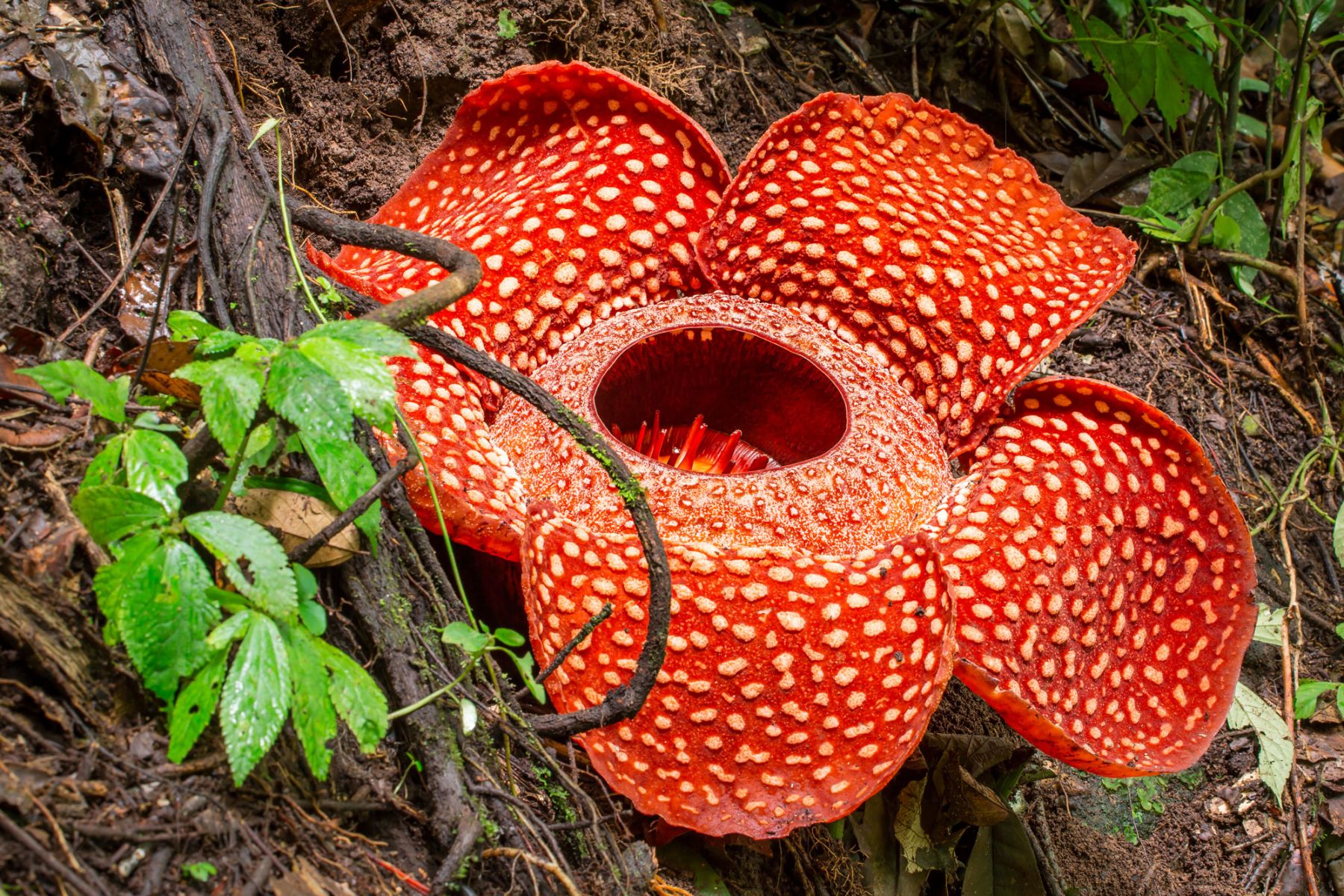
Earth's largest flower, the giant rafflesia (Rafflesia arnoldii). Its blooms reach up to a meter across, though it possesses no leaves and gains all its energy by parasitizing rainforest lianas.
Governance
The foundation is a not-for-profit institution. It aims to be a public benefit institution (ANBI) under the terms of article 5b of the Dutch General Act on National Taxes (Algemene wet inzake rijksbelastingen).
The foundation is governed by a board of trustees which meets in Amsterdam not less than once per year, and online more often and as necessary.
The foundation is governed by a board of trustees which meets in Amsterdam not less than once per year, and online more often and as necessary.
Trustees
Toby Marsden
Toby has deeply loved plants for as long as he can remember, but his first job was a butterfly breeder for a botanical garden. He went on to work as a documentary filmmaker with an international human rights group, campaigning for the rights of indigenous peoples around the world, before founding a successful tech startup. Toby holds a bachelor’s degree in botany. He now lives in south-west France with his wife and young son.
Michael Bungard
Mike started his scientific career at the Zoological Society of London. He went on to lead conservation expeditions and conduct fieldwork around the world, before holding senior curatorial roles at two zoos in the UK. He is an expert in the design and management of ecosystem exhibits and the care and husbandry of free-roaming animals. He holds a master’s degree in conservation biology and a doctorate on the impact of a changing climate on the biodiversity of Madagascar. He lives in Sussex, UK, with his wife and young son.
Raquel García Hermida-van der Walle
Raquel worked as Communications Director for Earth Day Network in Washington, D.C. and for leading indigenous rights NGO Survival International before working to improve exotic animal welfare at the international level and end global wildlife trafficking as Head of Public Policy for AAP Animal Advocacy and Protection in the Netherlands. She is Chair of the Wildlife Working Group for Eurogroup for Animals. Raquel holds degrees in journalism and communication and has studied political science and government. She lives in Gorredijk, the Netherlands, with her husband and three daughters.
The foundation will also convene an advisory board. The members of the advisory board will not be trustees or be responsible for the governance of the foundation, but will support the foundation’s aims and provide technical advice relating to its activities. On its formation, the members of the advisory board will be listed in the current policy plan.

Remuneration policy
The foundation will publish the annual salary of, but not personally identify, the highest paid employee in the current policy plan. It does not currently have any paid employees.
Trustees and members of the advisory board will not be paid a salary or granted an honorarium for their work. Reasonable, genuine and unavoidable expenses they incur solely for the benefit of the foundation, for example travel, may be reimbursed at the discretion of the board of trustees.
Trustees and members of the advisory board will not be paid a salary or granted an honorarium for their work. Reasonable, genuine and unavoidable expenses they incur solely for the benefit of the foundation, for example travel, may be reimbursed at the discretion of the board of trustees.
Management of assets and reserves
No person or entity (other than the foundation itself) may dispose of the assets of the foundation as if they were that other person or entity’s own assets.
The board of trustees will approve an annual operating budget. Spending by the foundation outside of the operating budget, and amendments to the budget, must be likewise be approved in advance by the board of trustees.
The foundation will retain no more financial reserves than in the opinion of the board is reasonably necessary to guarantee the continuity of the foundation’s charitable activities. During the period of the current policy plan, the foundation aims to build up and maintain financial reserves corresponding to not less than six months’ operating costs. The foundation will aim not to hold more than the equivalent of 18 months’ operating costs in reserve.
Operating funds will be maintained in a Dutch instant-access bank account; at least 50% of reserves will be available in 30 days or less, while the remainder may be held in longer-term investments but in all cases redeemable within six months.
The foundation will not take on debt without the approval of the board of trustees.
Should the foundation be dissolved, the board of trustees will distribute remaining funds to another organization with similar aims holding ANBI status in the Netherlands.
The board of trustees will approve an annual operating budget. Spending by the foundation outside of the operating budget, and amendments to the budget, must be likewise be approved in advance by the board of trustees.
The foundation will retain no more financial reserves than in the opinion of the board is reasonably necessary to guarantee the continuity of the foundation’s charitable activities. During the period of the current policy plan, the foundation aims to build up and maintain financial reserves corresponding to not less than six months’ operating costs. The foundation will aim not to hold more than the equivalent of 18 months’ operating costs in reserve.
Operating funds will be maintained in a Dutch instant-access bank account; at least 50% of reserves will be available in 30 days or less, while the remainder may be held in longer-term investments but in all cases redeemable within six months.
The foundation will not take on debt without the approval of the board of trustees.
Should the foundation be dissolved, the board of trustees will distribute remaining funds to another organization with similar aims holding ANBI status in the Netherlands.