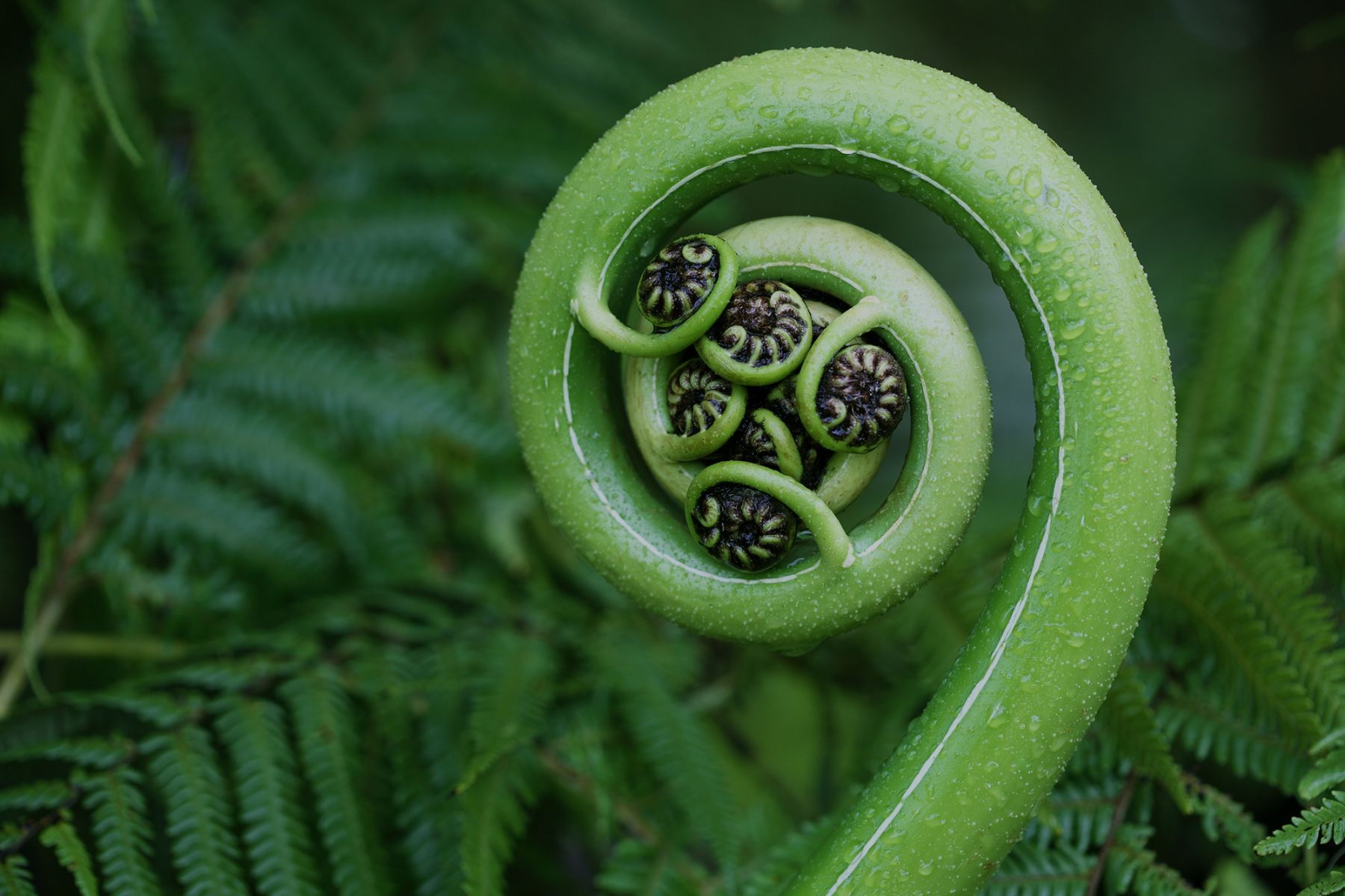
The Garden of Extraordinary Plants is a place to tell the stories of wondrous, magical plants. The sacred and the most beautiful. The weird, the dangerous. The plants that have shaped human history, and those which will play an outsize part in our future.
These species have the power to amaze, enchant and bewilder us. Their stories can expand our idea of our own place in the world. And they bring us all closer to Earth’s wild places, the last refuges of entirely different ways of being alive.
Explore the garden…
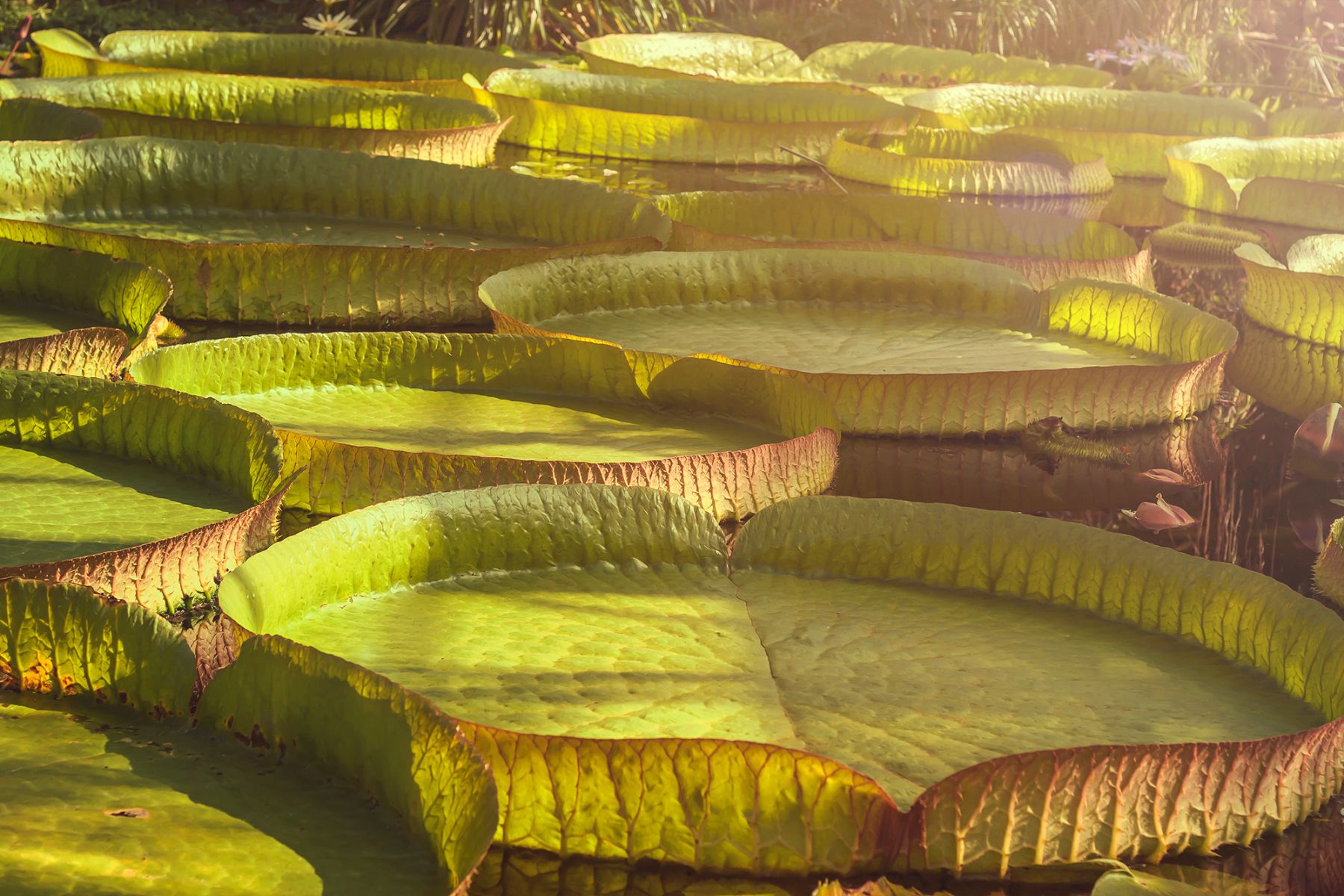
The four-thousand square meter lake is the gateway to the garden: a floating path takes you past dozens of giant tropical lily pads, each of them an architectural masterpiece approaching two meters across.
A glass walkway over the top of these astonishing leaves lets you get a closer view than ever before. After finding your way through a huge stand of sacred lotus you’ll reach the visitor center.
Encircling the visitor centre, the fantastical garden is a series of outdoor, themed rooms home to some of the world’s most charismatic plants.
You’ll walk through a forest of giant viper’s bugloss flower spikes towering four meters tall, across a banana plantation, through a field of Hawaiian taro and a find yourself amongst a kaleidoscope of bougainvillea and passion flowers.
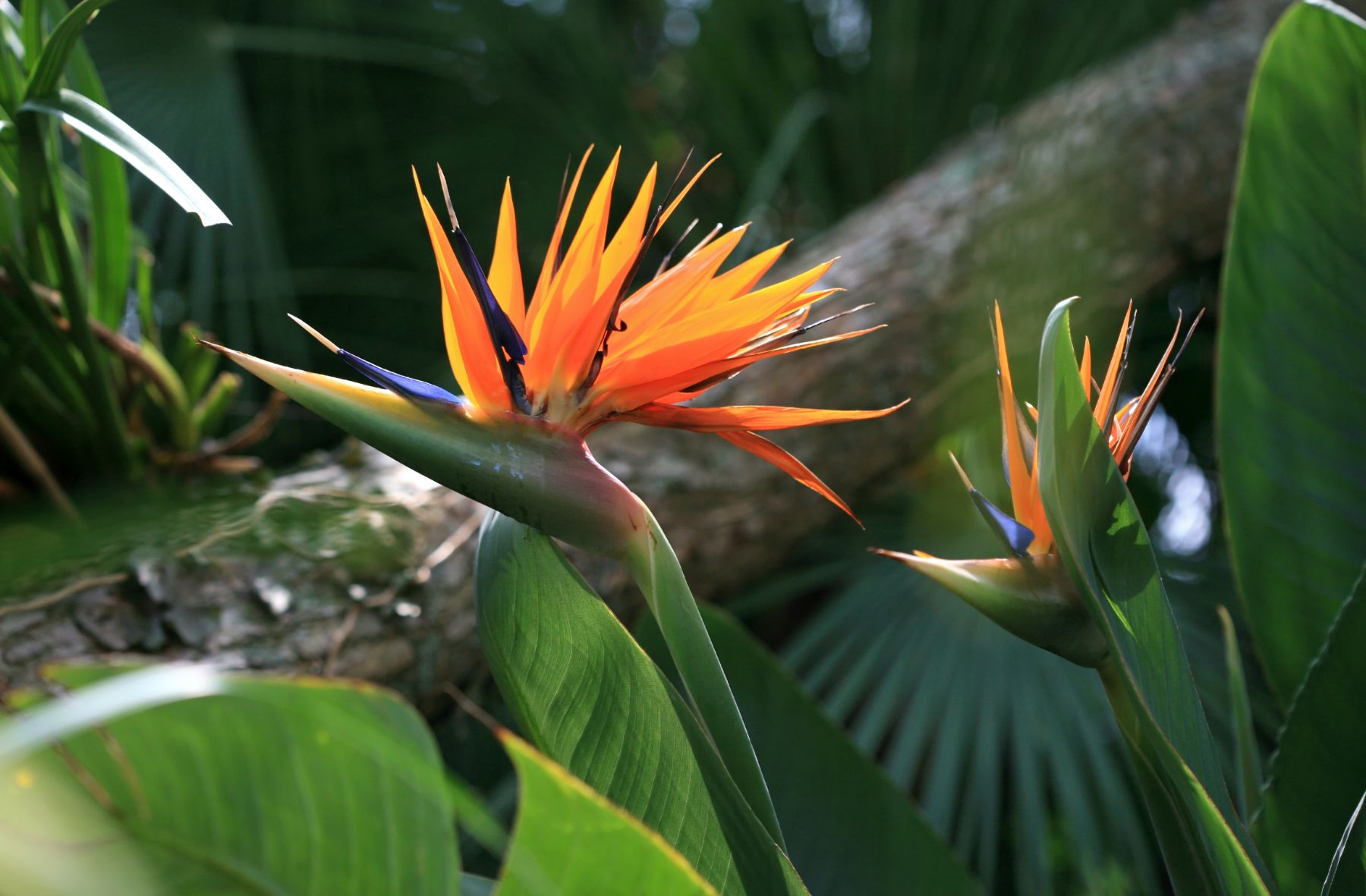
Take a rest in the shade of giant bird-of-paradise plants and wander through a stand of timber bamboo the height of a five storey building.
You’ll walk through a forest of giant viper’s bugloss flower spikes towering four meters tall, across a banana plantation, through a field of Hawaiian taro and a find yourself amongst a kaleidoscope of bougainvillea and passion flowers.
Take a rest in the shade of giant bird-of-paradise plants and wander through a stand of timber bamboo the height of a five storey building.
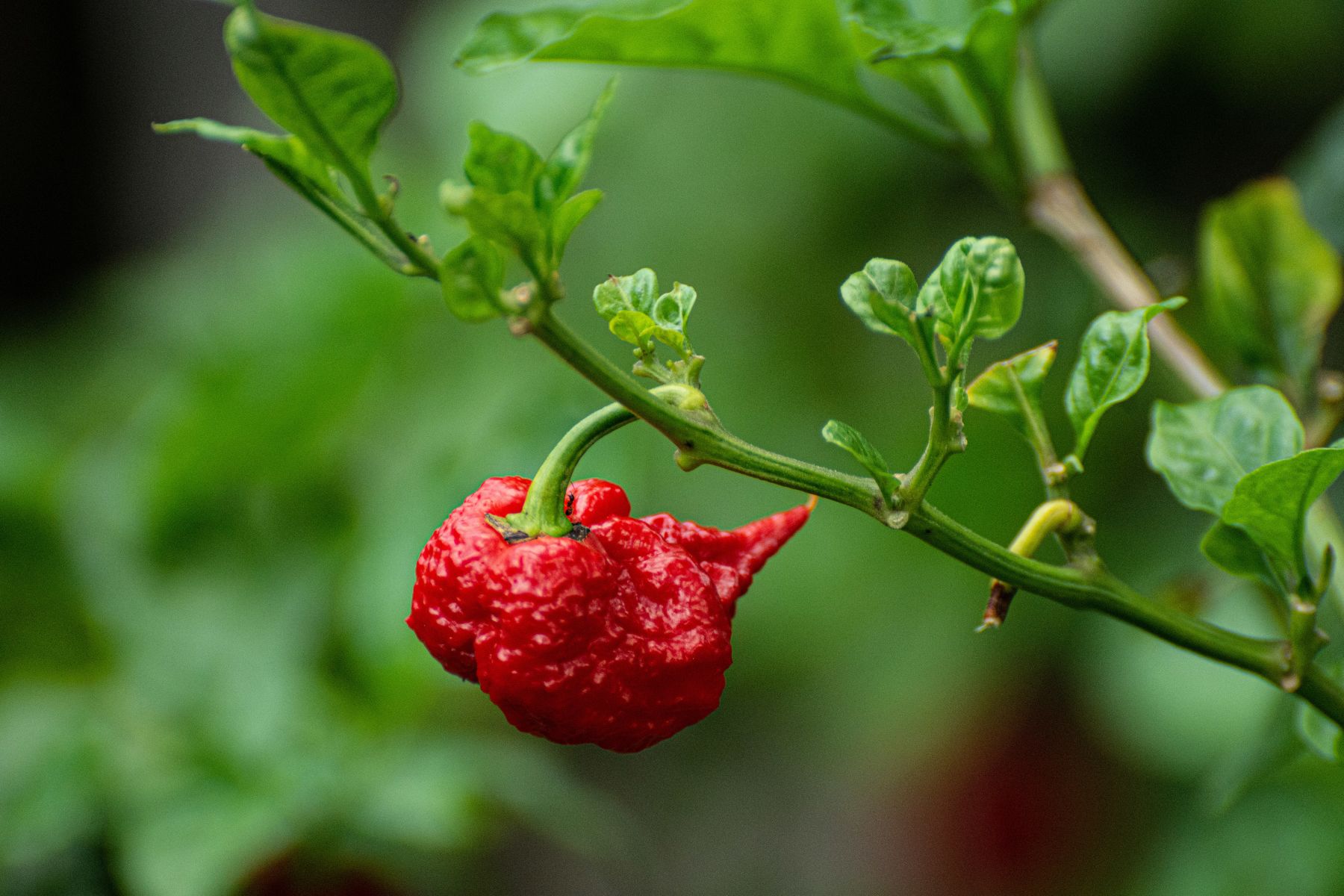
From the hottest chili pepper ever grown to gourds that make perfectly-balanced spinning tops, this isn't your grandparents’ vegetable garden.
The world’s biggest sunflower plants mingle with exploding cucumbers that detonate at the slightest touch, while cactus plants are weighed down with enormous dragon fruit and giant corn towers six meters tall. Toto, we’re not in Kansas any more.
The world’s biggest sunflower plants mingle with exploding cucumbers that detonate at the slightest touch, while cactus plants are weighed down with enormous dragon fruit and giant corn towers six meters tall. Toto, we’re not in Kansas any more.
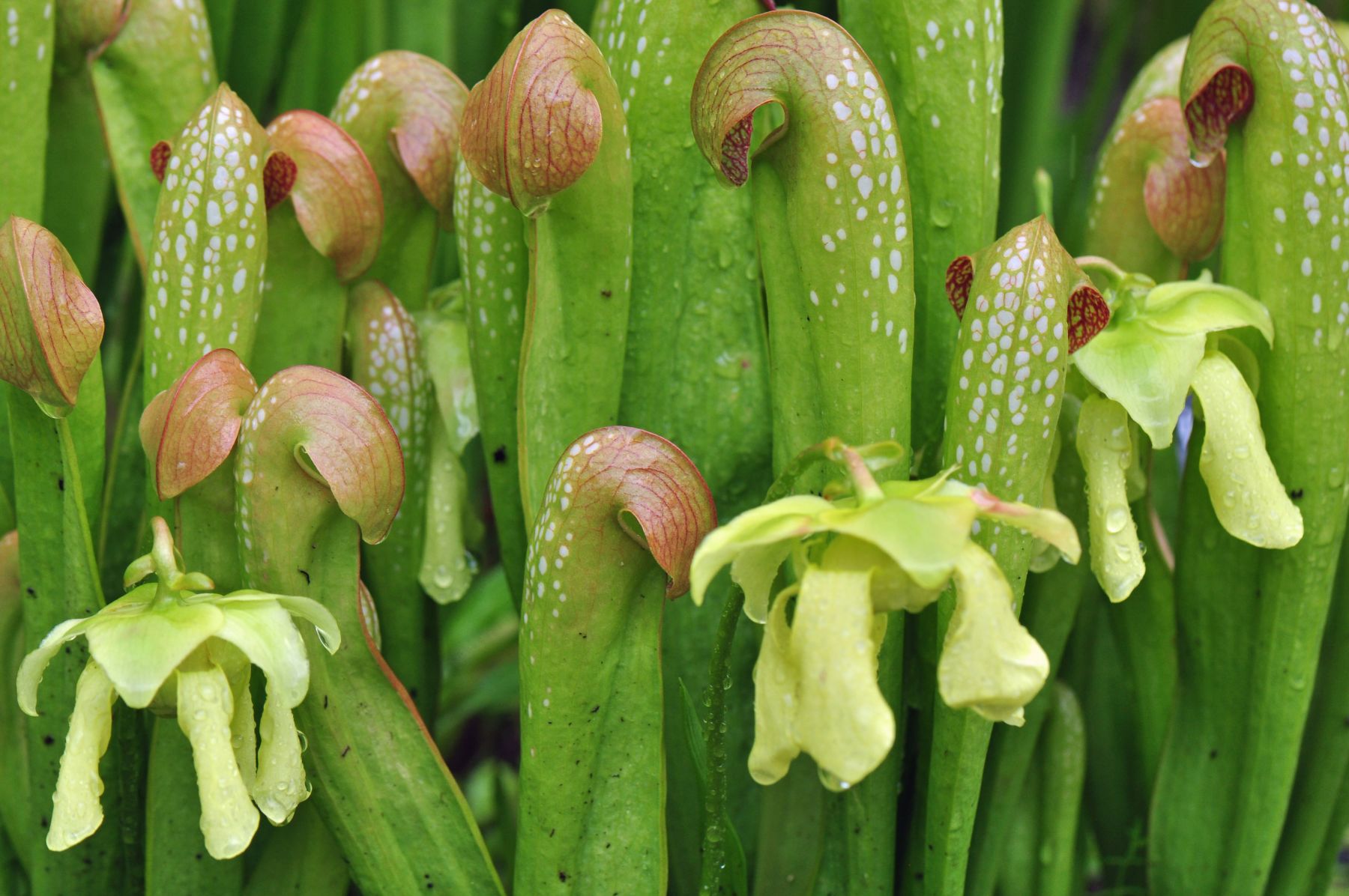
The swamp is full of plants that hunt: over two thousand carnivorous pitcher plants and cobra lilies, venus flytraps and sticky sundews. A path cuts through the two hundred square meter garden, giving you an insect’s eye view of these exquisitely beautiful plants.
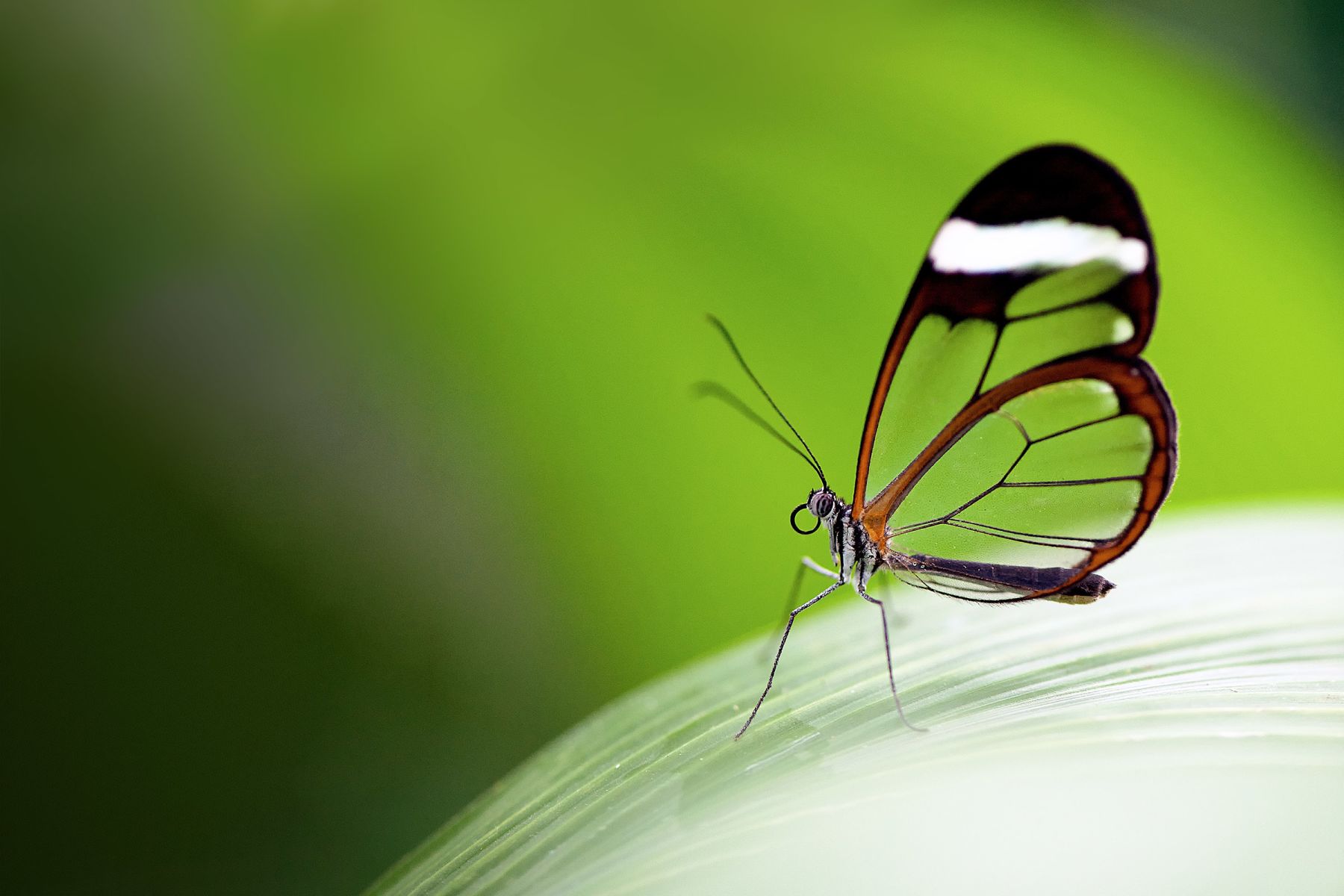
Walking through the jungle-filled dome containing two thousand delicate-looking tropical butterflies, it’s hard to believe that open warfare is breaking out all around you. But plants and caterpillars are locked in a deadly arms race.
Passion flowers produce fake eggs to fool pregnant butterflies into laying elsewhere, and produce sugary nectar to attract insect-eating ants. Those caterpillars which survive are attacked by poison, barbs and glue, and have to eat vast quantities of plants to grow fast enough to turn into jewel-like butterflies.
Passion flowers produce fake eggs to fool pregnant butterflies into laying elsewhere, and produce sugary nectar to attract insect-eating ants. Those caterpillars which survive are attacked by poison, barbs and glue, and have to eat vast quantities of plants to grow fast enough to turn into jewel-like butterflies.
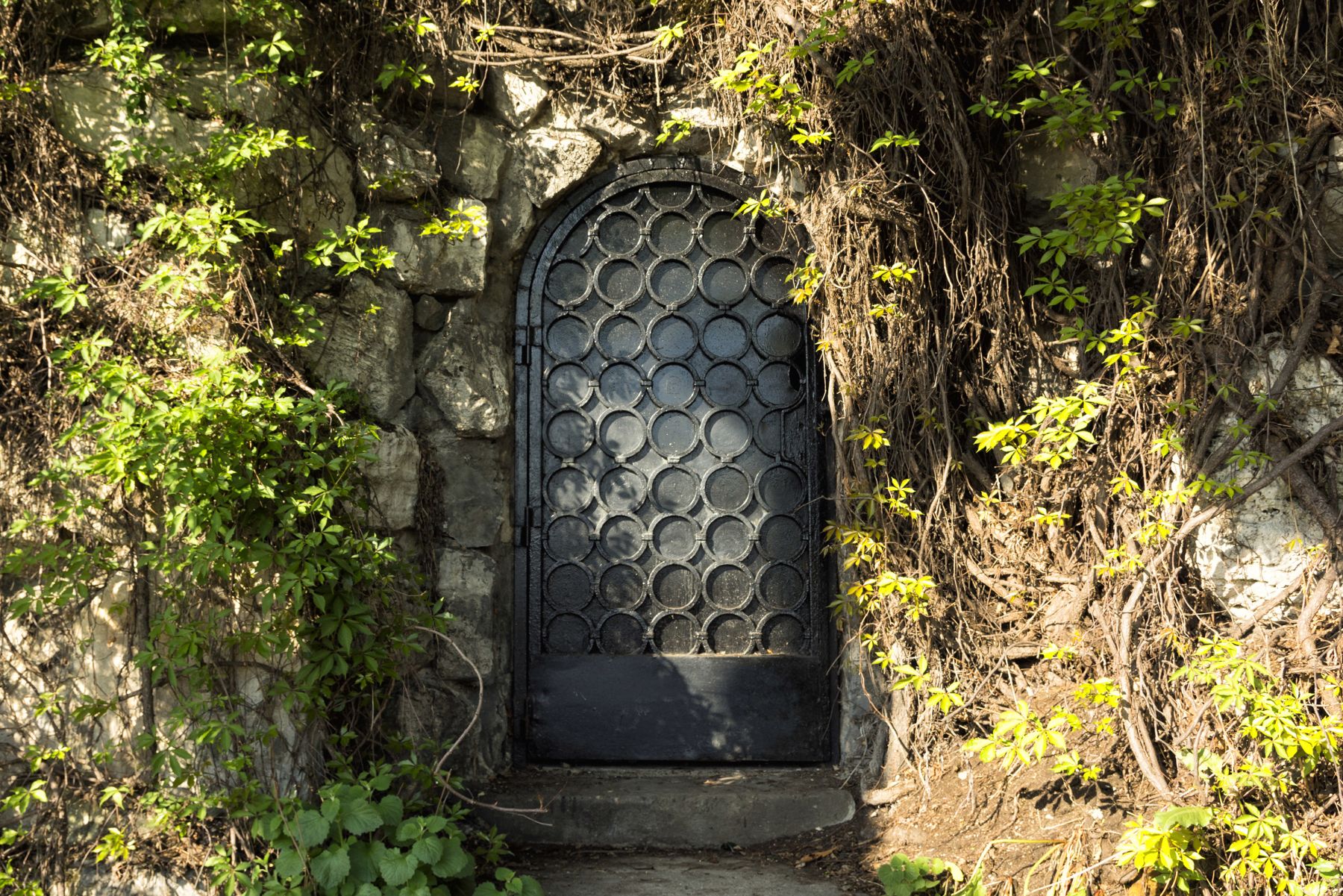
The limestone-walled, gothic poison garden is home to many of the world’s most storied and deadly plants: from hemlock and wolfsbane to angel’s trumpets and the rosary pea.
The garden’s most nerve-wracking inhabitant lives in a locked greenhouse at the far end: the Australian gympie gympie, a stinging tree that injects nerve toxin into the skin at the slightest brush with its leaves, causing excruciating pain that lasts up to two years.
You’ll meet some plants more dangerous in myth and legend than real life, like the screaming mandrake—but also one species that takes five million human lives every year.
The garden’s most nerve-wracking inhabitant lives in a locked greenhouse at the far end: the Australian gympie gympie, a stinging tree that injects nerve toxin into the skin at the slightest brush with its leaves, causing excruciating pain that lasts up to two years.
You’ll meet some plants more dangerous in myth and legend than real life, like the screaming mandrake—but also one species that takes five million human lives every year.
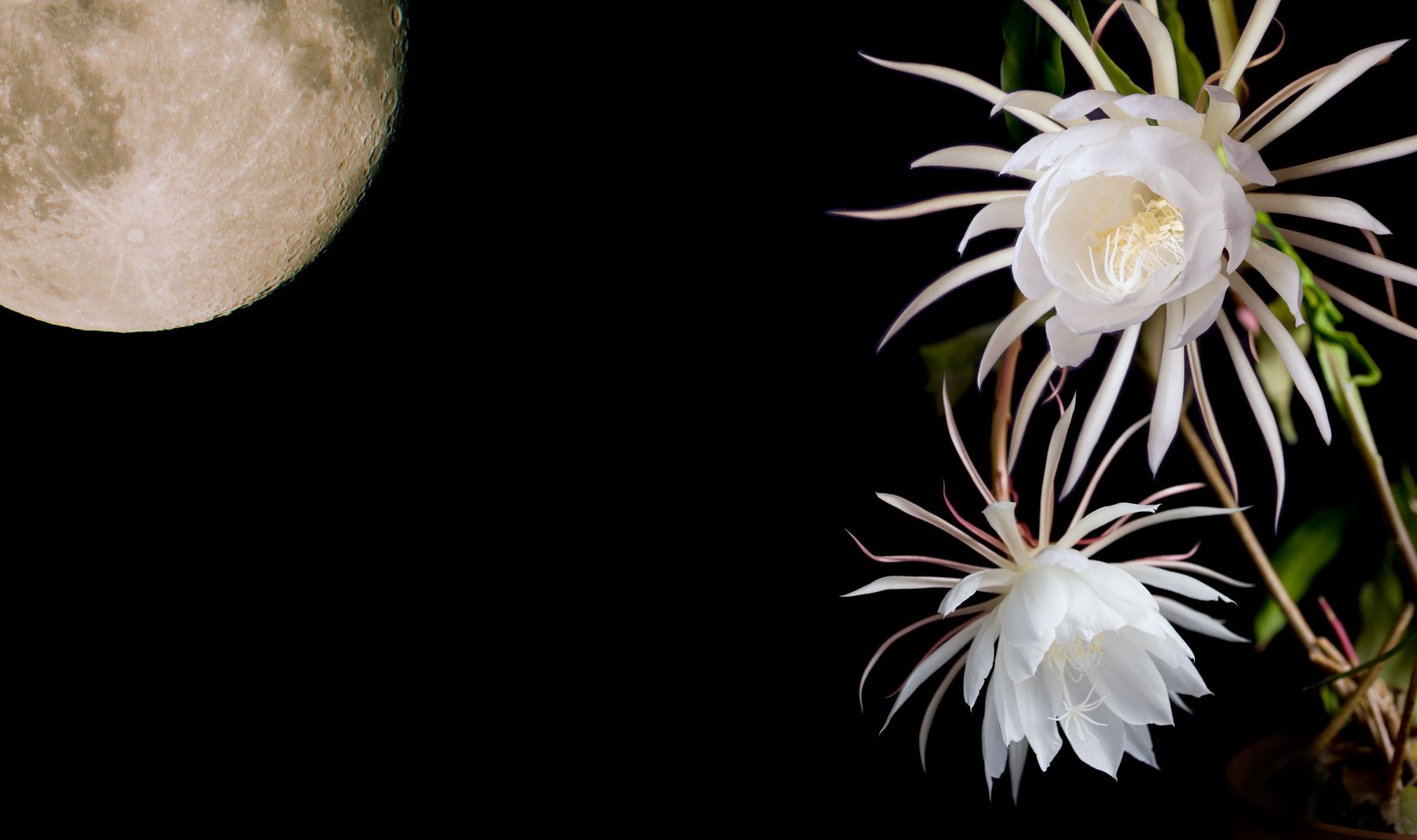
The midnight garden opens just one night a year... but what a night. Visitors are treated to the sights and the scents of dozens of queen of the night cactus flowers, each 30cm across and richly perfumed. Fully open by midnight, by dawn the flowers have wilted, and the midnight garden closes its doors for another 364 days.
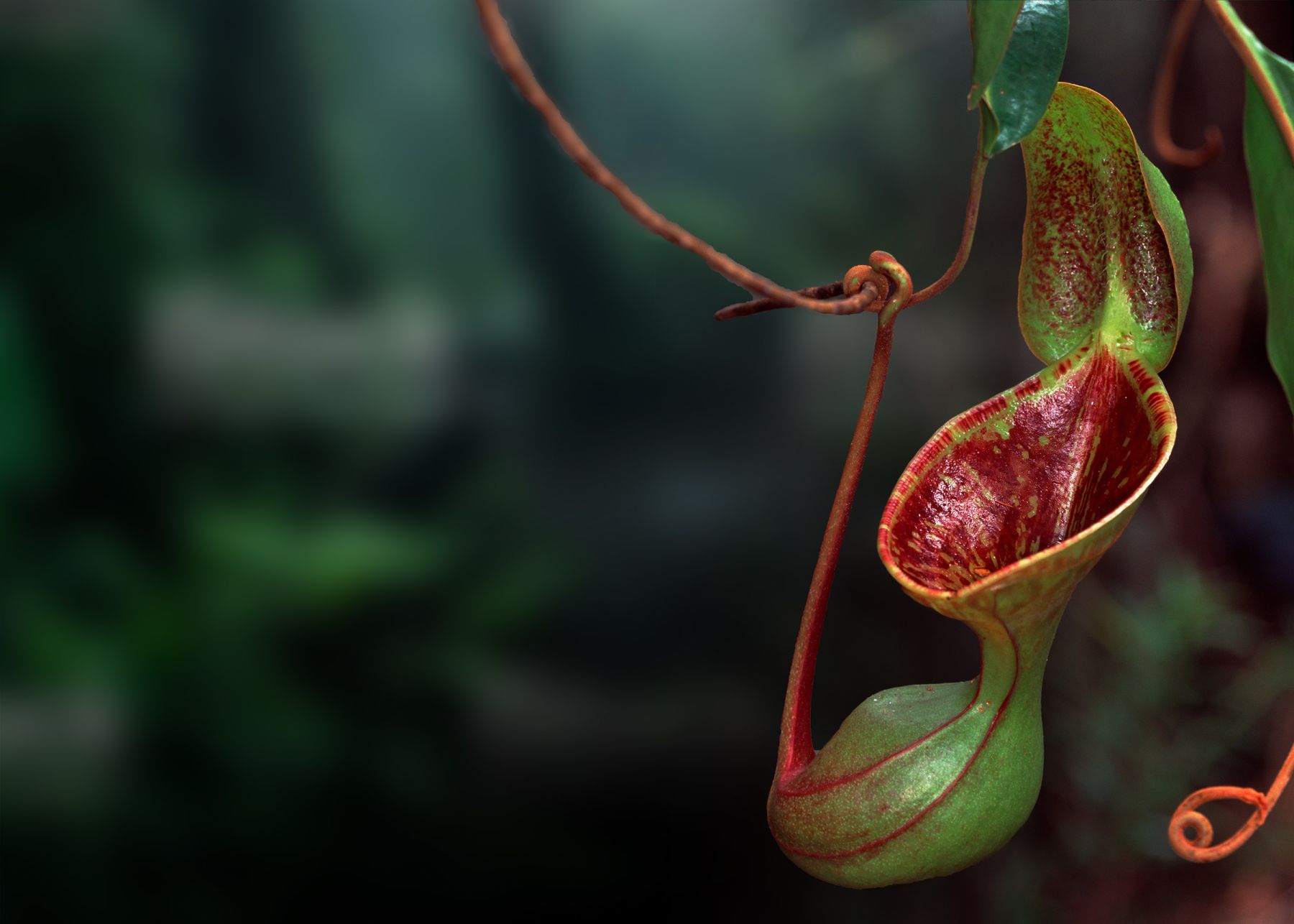
Fed by an underground air supply, the cloud forest stays cool and foggy even in mid summer. On the treetop walkway, fanged, meat-eating pitcher plants loom out of the dense mist, and down its cliff-like walls tumble jewel-like orchids and shimmering, iridescent blue ferns.
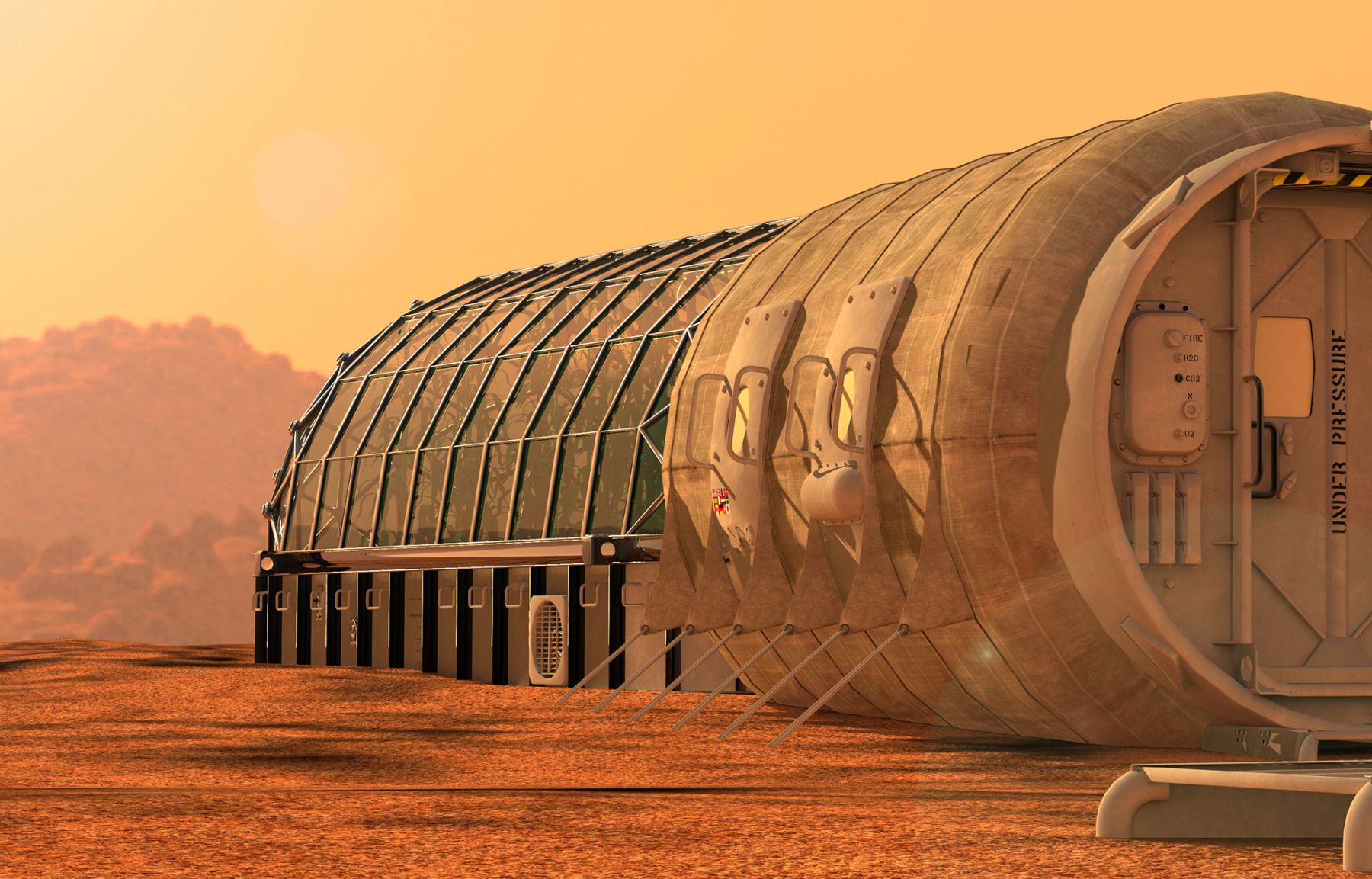
Mars Alpha is an imagined agricultural station for the first human colonists of the red planet. Once inside the base, you enter the greenhouse with light levels and wavelength matched live to conditions on Mars. You can see the martian landscape through the transparent foil walls.
Plants here are grown in a nutrient-rich liquid instead of soil and are tended by a team of robotic gardeners, transplanting and moving seedlings all through the day to optimize their growth rate and nutritional value.
Plants here are grown in a nutrient-rich liquid instead of soil and are tended by a team of robotic gardeners, transplanting and moving seedlings all through the day to optimize their growth rate and nutritional value.
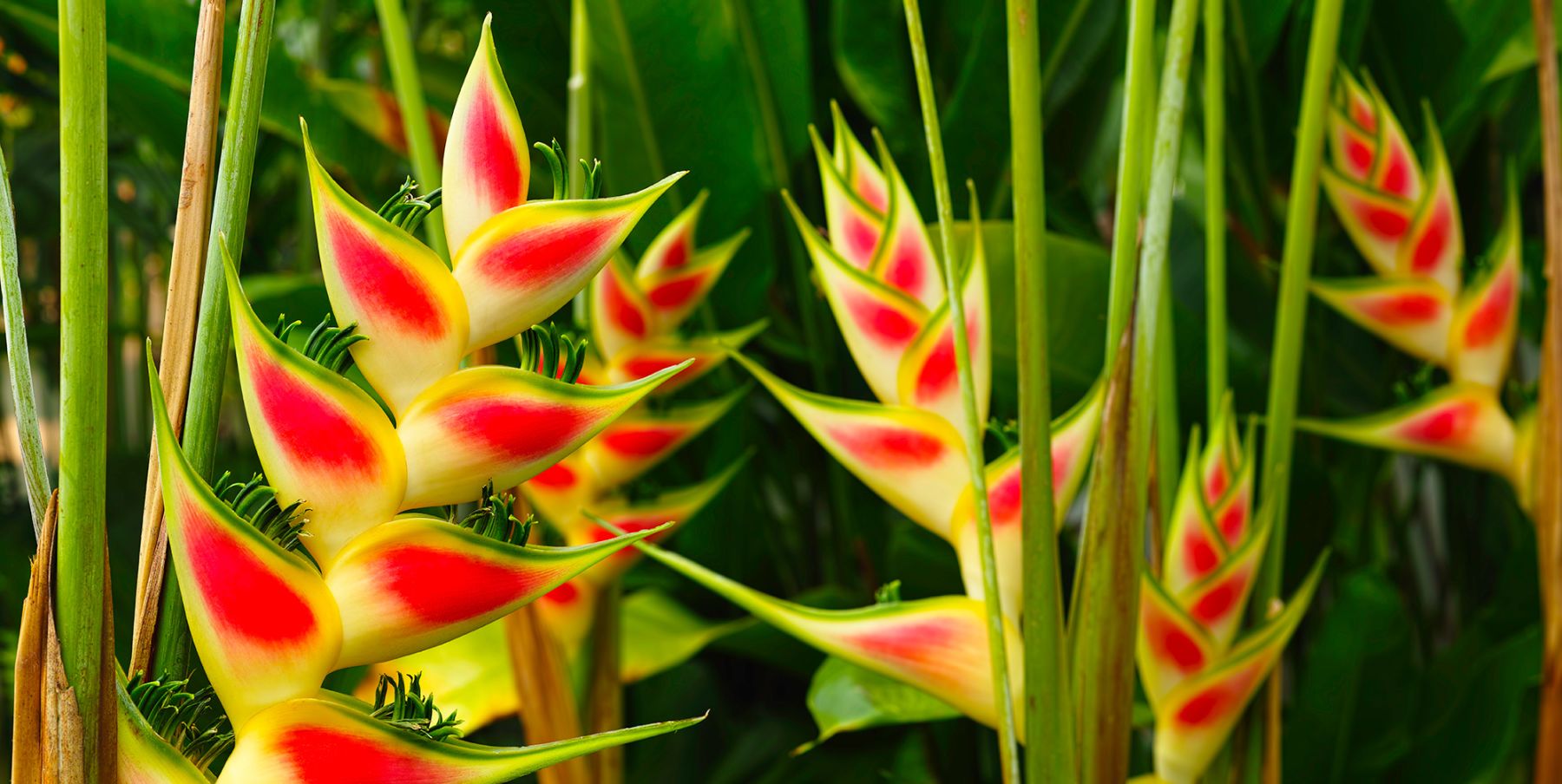
The rain forest shows us another kind of future. The dome is home to tens of thousands of plants and trees from the world’s tropical forests, from the plants of shamans to species that hold the cure to some cancers. A computer controls the climate and summons rain storms.
A treetop lookout allows us a rare close-up view of the forest canopy: a single tree branch can be home to hundreds of dazzling urn plants, ferns and orchids. And it’s in the rain forest where we explore the extraordinary connections between plants and animals: birds, fruit bats, monkeys and lemurs live freely amongst the visitors.
A treetop lookout allows us a rare close-up view of the forest canopy: a single tree branch can be home to hundreds of dazzling urn plants, ferns and orchids. And it’s in the rain forest where we explore the extraordinary connections between plants and animals: birds, fruit bats, monkeys and lemurs live freely amongst the visitors.
Questions?
Where will the garden be?
The Périgord, South West France. Why?
- Easy rail connections to Paris, Toulouse, Bordeaux, Barcelona and beyond
- The Périgord hosts over three million tourists per year, in particular families and outdoor-oriented visitors
- Skilled potential team members used to giving visitors a warm welcome
- High light levels year-round for solar power
- Long, frost-free growing season
- Warm summers, increasing the range of species that can be grown seasonally outdoors
- Year-round rainfall
How is it funded?
We value sustainable, ethical, long-term financing, but we are not actively seeking public funding.
Instead we’re raising the money ourselves, through commercial activities carried out by companies which the Foundation is a shareholder of. Our first venture is a tech startup based in Dublin.
This is not the easiest or the fastest way of raising money, but it does give us the greatest chance of still being around in a hundred years.
Who owns the garden?
The garden is 100% owned by a not-for-profit foundation, the Foundation for Extraordinary Plants.
Who's involved?
The garden is being built by a team with experience of working in botanical gardens, zoos, conservation organizations, human rights groups, environmental campaigns and tech startups.
Architect Céline Finzinger
Céline worked for various international agencies before settling in the Lot, south-west France, in 2015. Sympathetic to environmental preservation and drawing inspiration from bioclimatic and permaculture principles, she sees architecture as a living system whose physical potential and that of its place combine to promote wellbeing. This approach uses techniques and materials which reconnect with forgotten knowledge and innovative processes in an attempt to formulate a coherent overall response to current challenges. For Céline, architecture must go beyond its primary function of shelter to be an experience, a profound change of space and scene, and a source of emotions.
What stage are you at?
We started raising money in 2019.
Phase one includes everything we need to open to the public, but some of the exhibits we describe above will be opened in subsequent phases.
Right now we’re building the first nursery greenhouses and sourcing the rarest plants which are not available in specimen sizes, and need growing on for years before the garden opens. Our embryonic but rapidly expanding nursery near the town of Sarlat-la-Canéda is already home to hundreds of species from giant bamboo and dwarf coconuts to titan arums and jade vines.